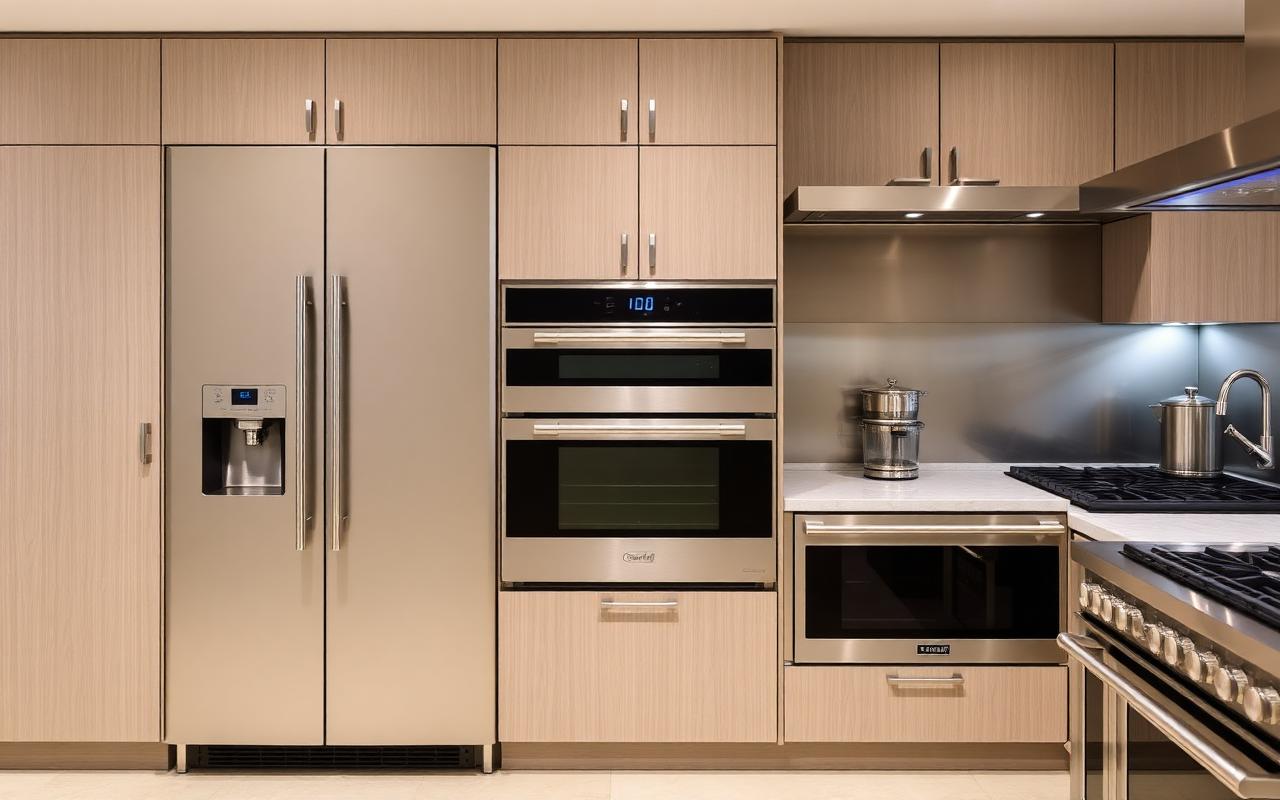
We work with both. The answer isn't ideological — it's a fit question. Here is how we frame it for clients across Massachusetts.
Where imported European wins
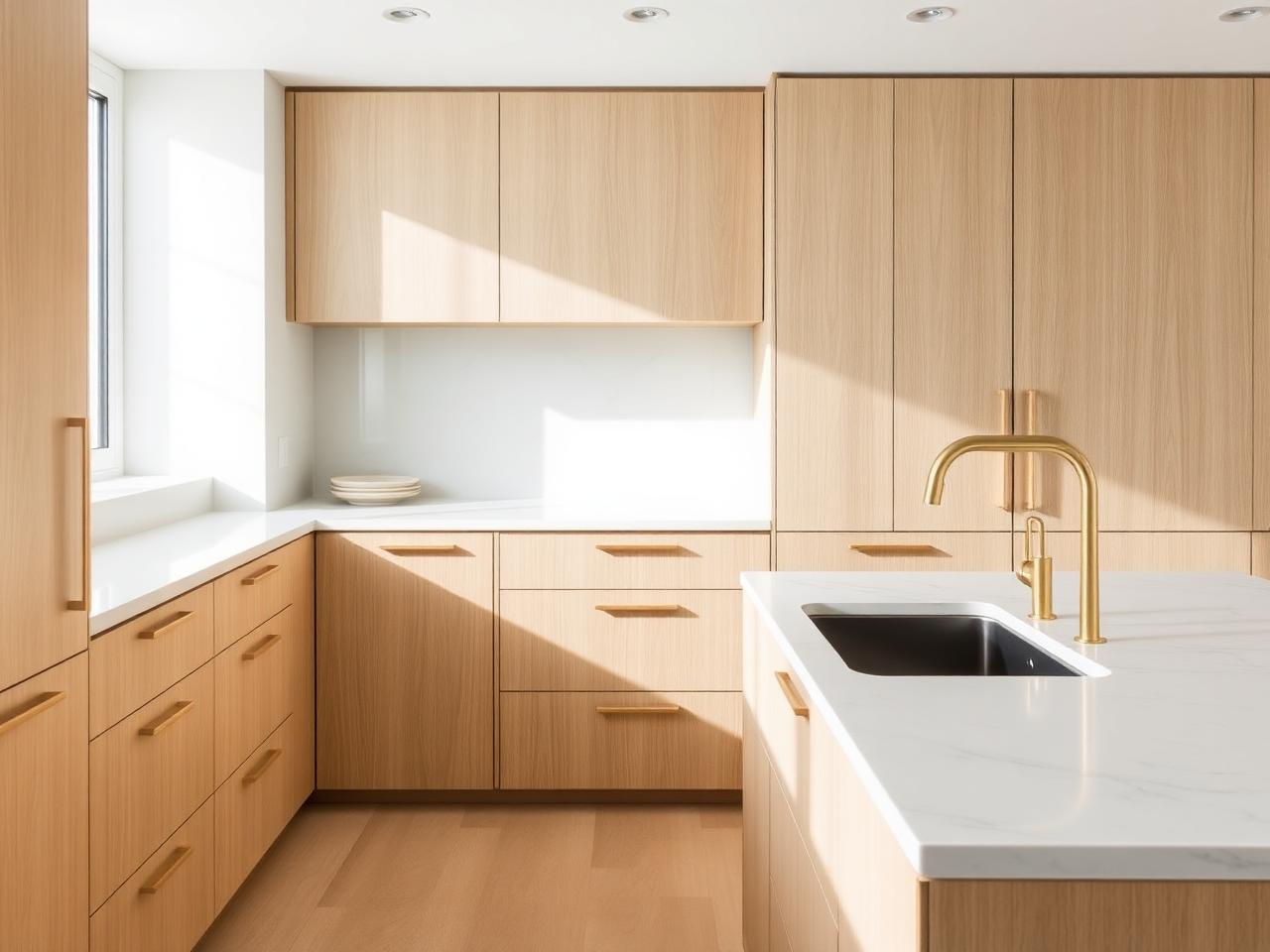
- ·Handleless slab cabinetry executed at a millimetric tolerance
- ·Integrated appliance solutions designed as a system, not a kit
- ·Modern architecture — new builds, condos, or modernist additions
- ·Storage interior fittings that genuinely outperform American equivalents
Where premium domestic wins
- ·Historic homes where inset shaker is the period-correct answer
- ·Faster lead times (8–10 weeks vs. 16–22 for most imported lines)
- ·Easier service relationships through local dealers
- ·Better cost-to-quality ratio at the upper-middle tier
16–22 wks
typical lead time for imported European cabinetry
The honest cost comparison
A like-for-like imported European program typically runs 30–55% more than premium domestic. The premium pays for the engineering, the hardware, and the integrated systems. It does not always pay for itself aesthetically in a 1910 colonial.
Our default heuristic
Modernist house or new build: lead with imported. Historic or transitional house: lead with domestic, and use imported only where it disappears.
The hybrid plan
Most of our largest Massachusetts projects use both — an imported main kitchen and domestic millwork in the scullery, pantry, and bar. That hybrid is usually the right answer when the budget allows it.
Interactive · quiz
Find your kitchen style
Three minutes. We'll point you toward the cabinet language that fits your home.
Take the quizFAQ
Frequently asked questions
For modern architecture and integrated appliance plans, yes — the engineering and hardware are noticeably better. For traditional New England homes, the premium often doesn't translate aesthetically.
Next step