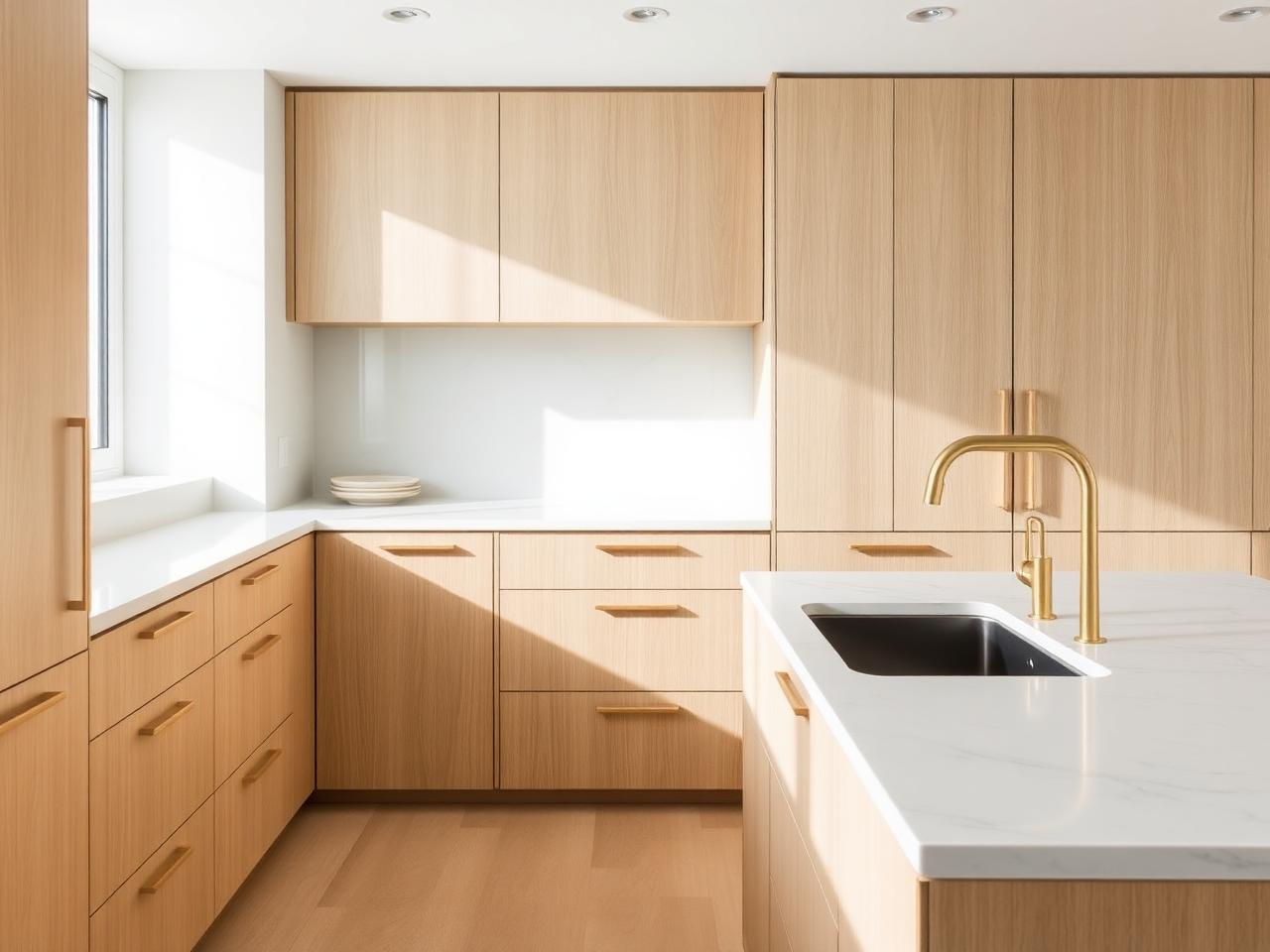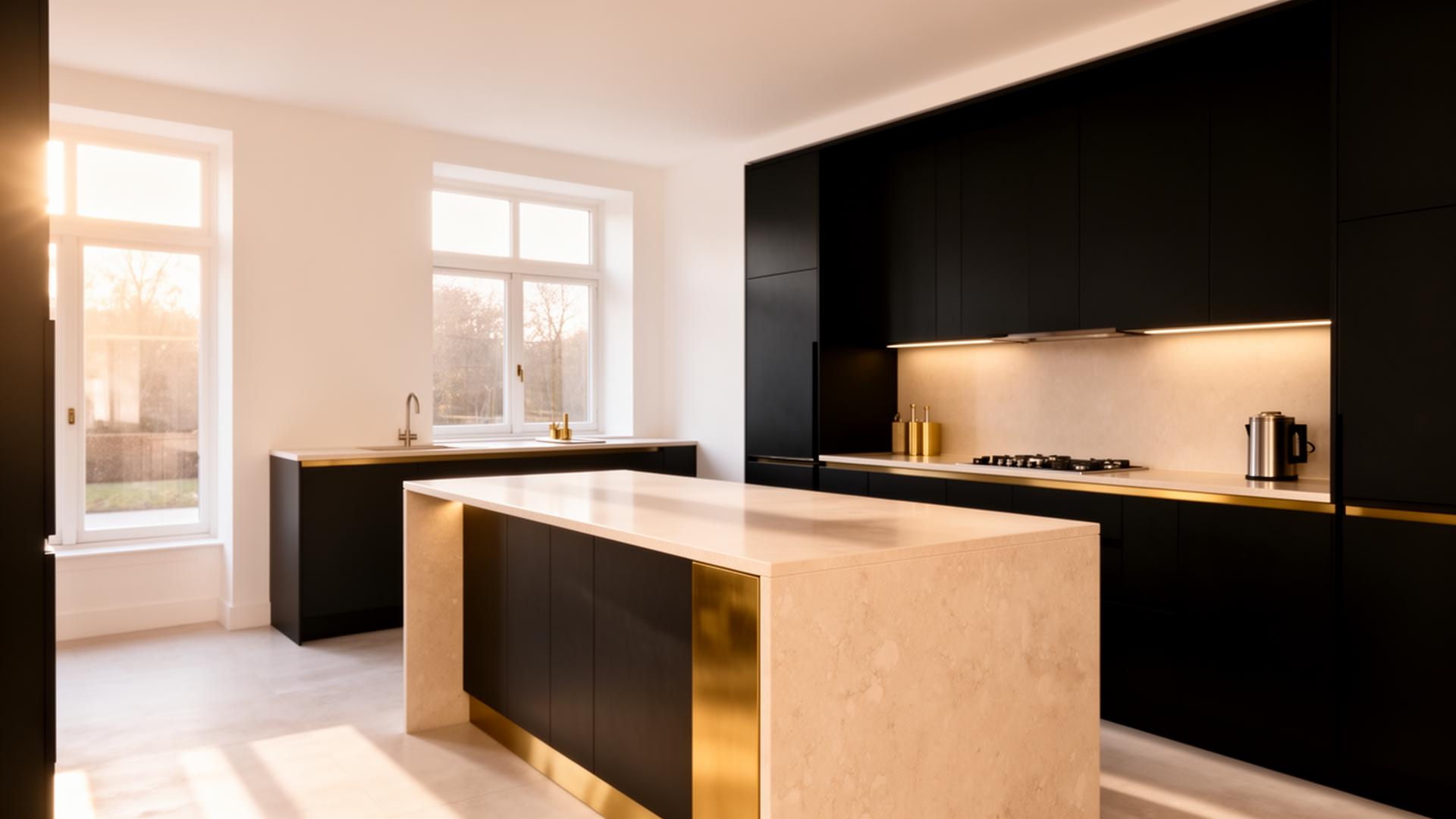
A kitchen can be expensive without being luxurious. The difference is rarely about the brand on the fridge. It's about seven decisions — most of them quiet — that work together.
1. Light, in four layers
Ambient, task, accent, decorative. The kitchens you remember are lit; the kitchens you don't are illuminated.
2. Material restraint
Two materials, three at most. Luxury reads as discipline, not abundance.
3. Symmetry, where it matters
The range wall almost always benefits from strict symmetry. The rest of the room can breathe.
4. Integrated appliances
Panel-ready dishwashers, fridges, and coffee columns. No visible badging on the front of the room.
5. Ceiling as a surface
Plaster, beams, or a tray detail. A flat painted ceiling is the single most common missed opportunity in luxury kitchens.
6. Hardware and edge profiles
Solid brass or bronze pulls. Mitered countertop edges. The fingerprints of intention.
7. Hidden technology
Outlets in drawers, charging in a butler's pantry, speakers in the ceiling — never on the counter.
"Luxury is what you don't see. Cost is what you do."
Interactive · estimator
Start your kitchen vision
We'll send a tailored cost range and design direction in 24 hours.
Open estimatorFAQ
Frequently asked questions
Layered lighting. More than any single material or appliance, a four-layer lighting plan is what separates a luxury kitchen from an expensive one.
Next step